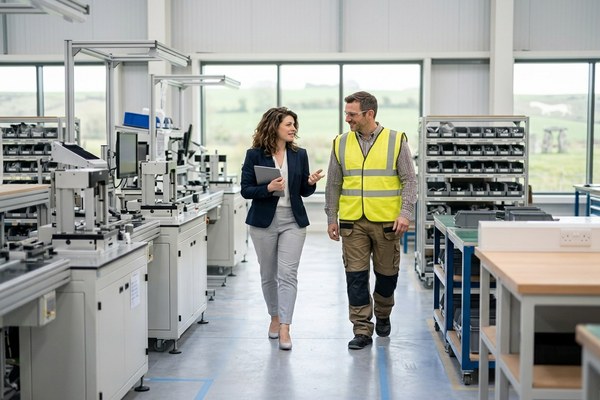
Melksham Industrial & Manufacturing Recruitment: How to Fill Skilled Roles Faster
Melksham Industrial & Manufacturing Recruitment: How to Fill Skilled Roles Faster
Industrial and manufacturing recruitment in Melksham is rarely just about headcount. It is about shift reliability, safety, skill fit, and how quickly a new starter can become productive on site. Wiltshire Recruitment positions this service around specialisation in key local sectors, placing machine operators, engineers, and warehouse staff quickly and accurately with better local fit. The homepage also states that the business has achieved 1000+ successful placements across sectors including manufacturing and engineering, which adds useful evidence for employers weighing local recruitment support.
Why industrial hiring is different from general recruitment
Industrial recruitment has tighter operational consequences than many office-based vacancies. One absent operator can disrupt a line. One unfilled engineering role can delay maintenance and uptime. One poorly briefed warehouse hire can increase errors, strain supervisors, and slow dispatch.
Melksham and wider Wiltshire employers also face competition for dependable industrial talent across nearby towns and industrial estates. Travel route, shift start time, overtime pattern, and training requirement all affect whether candidates accept and stay. That is why industrial recruitment needs more than a generic advert and a pile of CVs.
What a strong industrial recruitment process should include
A good industrial recruitment partner should understand the site as well as the job title.
Role and environment briefing
Employers need to explain machine type, production pace, manual handling expectations, certification needs, PPE requirements, and line management structure. These details directly affect candidate fit.
Shift and travel realism
In Melksham, a 6 am start can be realistic for some candidates and impossible for others depending on transport. Good screening accounts for that before interview or start date.
Safety and readiness checks
Industrial hiring should verify the practical ability to work safely in the environment, not just previous job titles on a CV.
Comparing industrial recruitment needs by role type
| Role type | Main hiring challenge | Typical recruitment focus | Likely timeline |
|---|---|---|---|
| Machine operators | Attendance and shift fit | Reliability, training readiness, transport | Fast when brief is clear |
| Warehouse staff | Volume and peak demand | Speed, stamina, accuracy, flexibility | Often urgent or seasonal |
| Engineers / technicians | Skill scarcity | Technical competence and retention | Usually longer search cycle |
Typical hiring costs and timelines in Wiltshire manufacturing
Costs vary with urgency and seniority. Entry-level production recruitment may carry lower attraction costs but higher volume management. Engineering or specialist maintenance hiring often costs more because the candidate pool is smaller and notice periods are longer. Employers should also account for induction, PPE, supervisor time, and any role-specific training when comparing the real cost of filling versus leaving a role open.
In timing terms, volume industrial roles can often move quickly with the right process, especially when the role brief is realistic and response speed is strong. Engineering and technical roles usually take longer because experience is harder to source and candidates need more detailed conversations before moving.
The hidden causes of failed industrial hires
Most failed industrial hires can be traced back to one of four issues: unclear job realities, unrealistic pay assumptions, poor shift communication, or weak onboarding. If the candidate discovers the pace, environment, or travel demand too late, the start may collapse. If supervisors are too busy to onboard properly, the first week goes badly and turnover rises.
Wiltshire Recruitment emphasises local knowledge, which matters a lot here. A recruiter who understands the industrial geography of Wiltshire can better judge what shift patterns are realistic, which roles need training pathways, and how to screen for readiness instead of just availability.
Why local industrial expertise matters
Manufacturing recruitment succeeds when the recruiter understands the site visit conversation, not just the job title. A business that produces food, packaging, engineering components, or logistics output may all use the word operator, but the actual fit can differ widely. The homepage service copy suggests a consultative approach and local industry familiarity, which is exactly what industrial employers need when accuracy matters as much as speed.
That local knowledge also helps with planning. Employers can decide whether a role should be temporary, permanent, or temp-to-perm, whether it needs extra training support, and whether the pay and shift pattern are aligned to the market.
Frequently asked questions
How fast can industrial recruitment move in Melksham?
Production and warehouse roles can move quickly if the brief is clear. Engineering and specialist maintenance roles usually take longer.
What makes industrial recruitment fail most often?
Poor briefing, unrealistic transport assumptions, weak onboarding, and unclear shift expectations are the biggest causes.
Is local recruitment support worth it for manufacturing employers?
Usually yes, because local knowledge improves screening around travel, shift fit, and sector-specific realities.
Final thoughts
Industrial & Manufacturing Recruitment in Melksham needs accuracy, speed, and a practical understanding of what happens on site. Wiltshire Recruitment frames this service around local sector knowledge, better-fit screening, and fast support across Wiltshire. For employers filling machine operator, warehouse, and engineering roles, that local expertise can shorten hiring time and reduce avoidable turnover.
Need support for industrial or manufacturing hiring? Return to Wiltshire Recruitment and request a call with the hiring assistant.
